Is the perception that hearty dinners require hours in the kitchen holding your family back from healthier, home-cooked meals?
Recent data from the USDA indicates that the average American spends just 37 minutes per day on food preparation. Yet, the demand for “meal solutions” is higher than ever, with families seeking dishes that offer both comfort and nutritional balance. This challenge—balancing time constraints with the need for filling, flavorful food—is precisely where the humble combination of protein and grains shines.
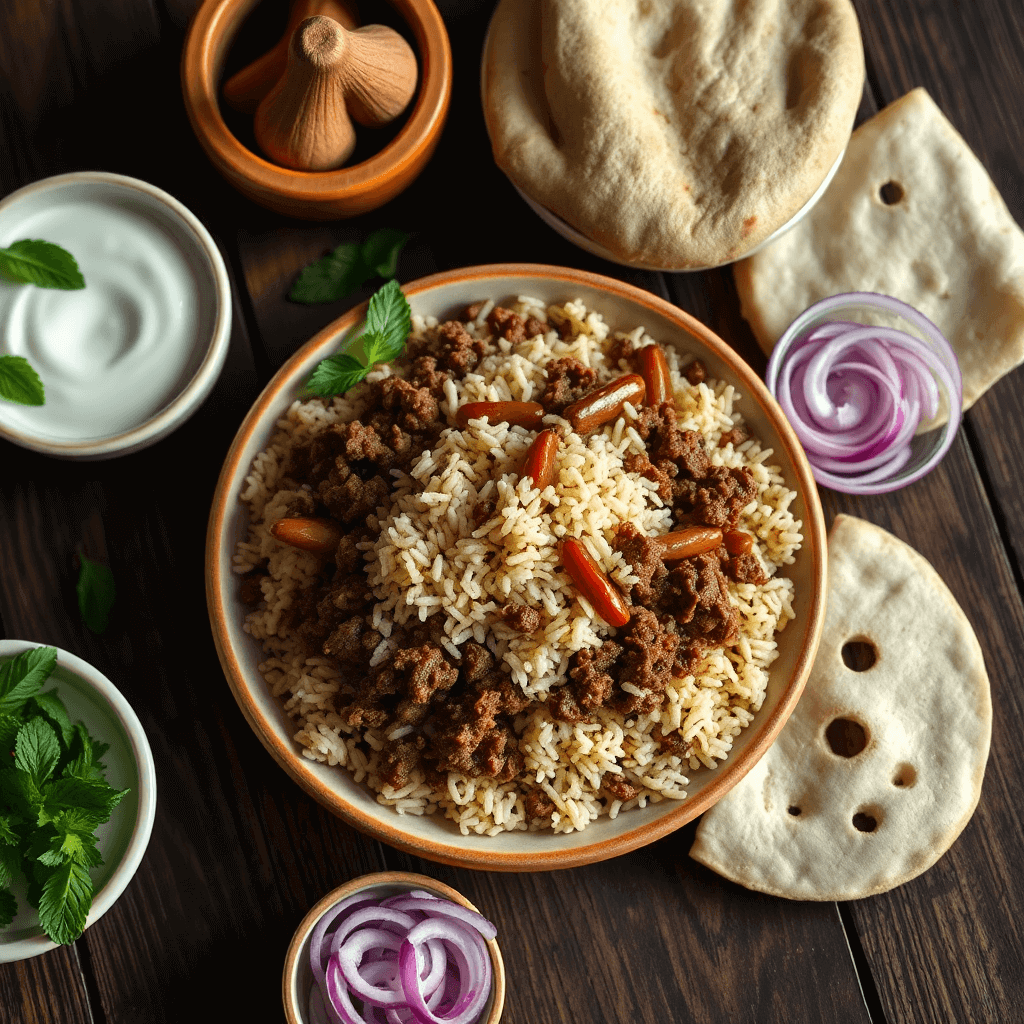
If you are looking for tasty ground meat and rice recipes perfect for quick and filling dinners, you have come to the right place. The synergy between savory ground meat and fluffy rice creates a culinary canvas that is endlessly adaptable, budget-friendly, and inherently satisfying. Let’s decode how to master a crowd-pleasing classic that bridges the gap between convenience and gourmet flavor. Ground meat and rice recipes have become a staple in many households because they’re economical and versatile.
Ingredients for Ground Meat and Rice Recipes
The beauty of this dish lies in its versatility, but a solid foundation is essential. We are building a “Master Base Recipe” that allows for infinite customization. The sensory profile here is critical: the sizzle of the meat, the aromatic release of garlic and onion, and the earthy warmth of spices.
1 lb (450g) Ground Meat: Choose your preference—lean ground beef (90/10), ground turkey, or even ground lamb. For a plant-based twist, textured vegetable protein (TVP) works beautifully.
1 cup Long-Grain White Rice: Rinsed thoroughly to remove excess starch (this prevents gumminess). Substitution: Brown rice or quinoa for a nuttier, higher-fiber profile.
2 cups Chicken or Beef Broth: Homemade or low-sodium store-bought. This infuses the rice with depth water cannot provide.
1 Large Onion: Finely diced.
2 cloves Garlic: Minced. (Fresh is non-negotiable for that punchy aroma).
1 Bell Pepper (Red or Green): Chopped. Adds a sweet crunch and vibrant color.
1 tbsp Olive Oil: For sautéing.
1 tsp Smoked Paprika: For that smoky, savory depth.
1/2 tsp Cumin: Adds warmth and an earthy undertone.
Salt & Black Pepper: To taste.
Fresh Parsley: Chopped, for garnish.
💡 Tip: Don’t have smoked paprika? A dash of chili powder will provide heat, while sweet paprika offers a milder profile. Always taste as you build.
Timing
One of the main barriers to weeknight cooking is the “time tax.” Here is the breakdown for this recipe:
- Preparation Time: 10 minutes (Chopping and measuring)
- Cooking Time: 20 minutes (Active stove-top time)
- Total Time: 30 minutes
This makes ground meat and rice recipes ideal for busy families seeking nutritious weeknight meals.
Contextual Insight: The average pasta dish takes approximately 25 minutes to cook, but often lacks the nutritional density of a meat-and-rice meal. This recipe clocks in at 30 minutes total, which is roughly 30% faster than the average casserole or braised meat dish, making it an ideal candidate for busy weeknights without sacrificing the richness of a slow-cooked meal.
Step-by-Step Instructions
We are going to use a One-Pot Method. This technique builds flavor layers by cooking the rice in the fond (the browned bits left behind by the meat), ensuring every grain is coated in savory essence.
Step 1: Sauté the Aromatics
Heat the olive oil in a large skillet or Dutch oven over medium-high heat. Once the oil shimmers, add the diced onion and bell pepper. Sauté for 3-4 minutes until the onions turn translucent and the peppers soften slightly. This sweat-down phase is crucial; it releases natural sugars that will balance the savory meat.
Step 2: Brown the Meat
Push the vegetables to the side of the pan and add the ground meat. Break it up with a wooden spoon. Allow the meat to sit undisturbed for 1-2 minutes to develop a crust (Maillard reaction), then continue breaking it up until fully browned and no pink remains. This step is what separates a “boiled” texture from a deeply caramelized flavor.
Step 3: Bloom the Spices
Add the minced garlic, smoked paprika, cumin, salt, and pepper. Stir constantly for 45 seconds. Spices are oil-soluble; blooming them in the hot fat releases their flavor compounds much more effectively than adding them to liquid later. You should smell an intense, savory aroma.
Step 4: Add Rice and Liquids
Pour in the rinsed rice. Stir to coat the grains in the oil and spices. Toasting the rice for 1 minute adds a nutty layer of flavor. Pour in your broth, scraping the bottom of the pan to deglaze any stuck-on bits. Bring the mixture to a rolling boil.
Step 5: The Simmer
Once boiling, reduce the heat to low and cover the pot with a tight-fitting lid. Let it simmer for 15-18 minutes. Do not lift the lid! Trapping the steam is essential for perfectly cooked rice. If using brown rice, increase this time to 40 minutes and add an extra 1/2 cup of liquid.
Step 6: Rest and Fluff
Remove the pot from heat and let it stand, covered, for 5 minutes. This allows the residual steam to finish cooking the rice evenly. Uncover and fluff gently with a fork. Stir in the fresh parsley for a burst of freshness.
Nutritional Information
Understanding the fuel you put into your body is vital. This data is estimated per serving (assuming 4 servings per recipe). What makes ground meat and rice recipes so satisfying is their balanced macronutrient profile.
- Calories: 420 kcal
- Protein: 24g (Excellent source for muscle repair and satiety)
- Carbohydrates: 45g (Complex carbs for sustained energy)
- Fat: 14g
- Fiber: 2g (Can be increased with veggie additions)
Data Insight: A meal containing 20g+ of protein has been shown to increase satiety levels by up to 65% compared to a carbohydrate-dominant meal, helping to curb late-night snacking. This recipe hits that target effectively.
Healthier Alternatives for the Recipe
The beauty of ground meat and rice recipes is their adaptability to various dietary needs. To align with modern dietary needs, here are semantic variations that maintain the flavor profile while optimizing health metrics:
The Lean Swap: Replace white rice with cauliflower rice or a 50/50 mix. This reduces the carbohydrate count by nearly 75%, making it keto-friendly.
The Fiber Boost: Use quinoa or farro instead of white rice. These ancient grains offer a complete amino acid profile and significantly higher dietary fiber.
Vegetable Infusion: Increase the volume without increasing calories by adding 2 cups of spinach or kale in the final 2 minutes of cooking. The residual heat wilts the greens perfectly.
Low-Sodium Approach: Use low-sodium broth and rely on acid (a squeeze of lemon juice or a dash of vinegar at the end) to brighten flavors rather than excess salt.
Serving Suggestions
Ground meat and rice recipes are a chassis for creativity. Here is how to plate it for maximum appeal:
The Comfort Bowl: Serve warm, topped with a soft-boiled egg and a drizzle of Sriracha or Chili Crisp. The runny yolk creates a rich sauce that binds the rice and meat.
The Fresh Wrap: Spoon the mixture into large butter lettuce leaves or whole-grain tortillas. Top with crunchy shredded carrots and a yogurt-based sauce (tzatziki works wonders).
The Leftover Remix: Crisping the leftovers in a skillet the next day creates a texture similar to “dirty rice,” perfect for a quick lunch.
💡 Tip: A squeeze of fresh lime juice right before serving cuts through the richness of the meat and elevates the dish from “standard” to “gourmet.”
Common Mistakes to Avoid
Even simple recipes have pitfalls. Here are the three most common errors and how to fix them:
The “Gummy” Rice Trap
The Mistake: Not rinsing the rice or stirring it too much during cooking.
The Fix: Always rinse rice until the water runs clear. Stirring breaks the grains and releases starch, creating a glue-like texture. Leave it alone once it simmers.
Overcrowding the Pan
The Mistake: Using a pan that is too small for the meat, causing it to steam rather than brown.
The Fix: Use a wide skillet (at least 12 inches). If your pan is small, brown the meat in batches. The browning (Maillard reaction) is where the flavor lives.
Under-seasoning the Liquid
The Mistake: Salting only the meat but forgetting the broth.
The Fix: Since the rice absorbs the liquid, the broth must be well-seasoned. Taste your broth before adding it to the pot. It should taste slightly saltier than you’d like on its own.
Storing Tips for the Recipe
Rice and meat dishes are excellent for meal prep, but proper storage is key to food safety and texture preservation.
Refrigeration: Store in an airtight container for up to 4 days. According to USDA food safety guidelines, leftovers should be refrigerated within 2 hours of cooking. The flavors actually meld and improve after 24 hours.
Freezing: This recipe freezes exceptionally well. Portion it into single-serving containers. It will keep for up to 3 months. Thaw in the fridge overnight before reheating.
Reheating (Crucial): The FDA recommends reheating leftovers to 165°F. Rice can dry out quickly. When reheating in the microwave, sprinkle 1 tablespoon of water over the top and cover with a damp paper towel. This creates steam and restores moisture. Alternatively, reheat in a skillet with a tiny splash of broth.
Conclusion
You don’t need exotic ingredients or complex techniques to create tasty ground meat and rice recipes perfect for quick and filling dinners. By mastering the ratio of liquid to grain and understanding the browning process, you unlock a versatile meal that satisfies the whole family. This recipe proves that “quick” and “nutritious” are not mutually exclusive. These ground meat and rice recipes prove that simple ingredients can create restaurant-quality meals at home.
Ready to put your own spin on this? Try the recipe this week and experiment with the substitutions listed above. Leave a comment below with your favorite vegetable add-ins, or share a photo of your creation on social media with the hashtag #SimpleStovetopMeals. For more family-friendly dinner inspiration, explore more rice-based dinner ideas for additional inspiration.
Frequently Asked Questions
Can I make this recipe with uncooked rice?
Yes, this recipe is designed for uncooked rice. The rice cooks directly in the broth and meat juices, absorbing all the flavors. Ensure you add the correct amount of liquid (2 cups liquid per 1 cup of long-grain white rice) and adjust the simmering time accordingly.
How do I make this recipe gluten-free?
Most ground meat and rice recipes are naturally gluten-free, but you must check your broth. Some commercial stocks contain wheat-based thickeners. Use a certified gluten-free broth, and ensure your spices are pure (no anti-caking agents containing wheat).
What is the best ground meat for flavor?
While 80/20 ground beef offers the most decadent flavor due to its higher fat content, ground lamb provides a rich, distinct taste. For a leaner option, ground turkey (93/7) works well but requires the added fat from olive oil to prevent dryness.
Can I cook this in a rice cooker?
You can adapt this for a rice cooker with a “sauté” function. Brown the meat and vegetables in the pot first, then add the rice and broth, and switch to the standard rice cooking setting. If your rice cooker doesn’t sear, cook the meat on the stove first, then transfer everything to the rice cooker.
How do I prevent the rice from burning on the bottom?
If using a thin-bottomed pot, the risk of burning increases. To prevent this, use a heavy-bottomed Dutch oven or cast-iron skillet, which distributes heat evenly. Also, ensure the heat is strictly low once the lid is on—if you hear a rapid sizzle, the heat is too high.
Why are ground meat and rice recipes so popular?
These ground meat and rice recipes can be customized to fit any taste preference or dietary need, making them incredibly versatile for families with different nutritional goals and flavor preferences.